Home Warranty vs Homeowners Insurance: Understanding Coverage for Wear and Sudden Damage
Unexpected repairs can quickly deplete savings. A burst pipe, a malfunctioning heating, ventilation, and air conditioning system, or a leaking roof might require hundreds or thousands of dollars to resolve. Homeowners frequently rely on two protective measures: home warranties and homeowners insurance. Although these options appear similar, they address distinct needs. Grasping their functions enables informed decisions about coverage that aligns with property requirements and financial plans.
Coverage Under Homeowners Insurance
Homeowners insurance safeguards against damage or loss from abrupt, external occurrences. This includes events such as fires, storms, theft, and specific water damage scenarios. The policy emphasizes protection for the home's structure and personal belongings, excluding routine wear and tear.
A typical policy encompasses:
- Dwelling coverage for the home's physical structure, including walls, roofs, and foundations.
- Personal property coverage for contents like furniture, appliances, electronics, and clothing.
- Liability protection for injuries occurring on the property.
- Additional living expenses to cover temporary housing and related costs if the home becomes uninhabitable due to a covered event.
For instance, if a fallen tree damages the roof or lightning strikes the electrical wiring, the insurance covers repair or replacement costs once the deductible is satisfied. However, if a water heater fails due to corrosion or a dishwasher ceases functioning from prolonged use, insurance does not apply. Such issues fall under homeowner maintenance responsibilities.
Coverage Under a Home Warranty
A home warranty functions as a service contract that funds repairs or replacements for essential systems and appliances that fail due to normal operation. Unlike insurance, it does not depend on disasters or accidents. The focus remains on components that degrade over time through everyday activity.
Standard plans typically include:
- Home systems like plumbing lines, electrical wiring, heating, ventilation, and air conditioning units.
- Major appliances such as refrigerators, ovens, dishwashers, washing machines, and dryers.
- Optional add-ons for features including swimming pools, hot tubs, septic tanks, and well pumps.
Upon a covered item's failure, contact the warranty provider. The company dispatches a technician to assess and address the issue, covering costs beyond the service call fee, which ranges from 75 to 150 dollars. Policy limits apply to total payouts per item or term.
Cost Structures and Overall Value
Homeowners insurance premiums vary based on location, property value, and selected coverage levels. Annual costs generally fall between 800 and 2,000 dollars, with deductibles starting at 500 dollars and potentially rising to several thousand. Selecting a higher deductible often reduces the premium.
Home warranties follow a separate model. Yearly contracts cost 400 to 800 dollars, influenced by coverage scope and home size. Each claim incurs a fixed service fee. Although warranties offset repair expenses, they exclude certain components and failure modes. Thorough review of policy details proves crucial.
Homeowners on platforms like Reddit have reported significant savings, such as one who avoided over 1,000 dollars in costs for a failed air conditioning compressor. Others noted delays in service responses. These accounts underscore the value of vetting providers through customer feedback.
Core Distinctions in Protection
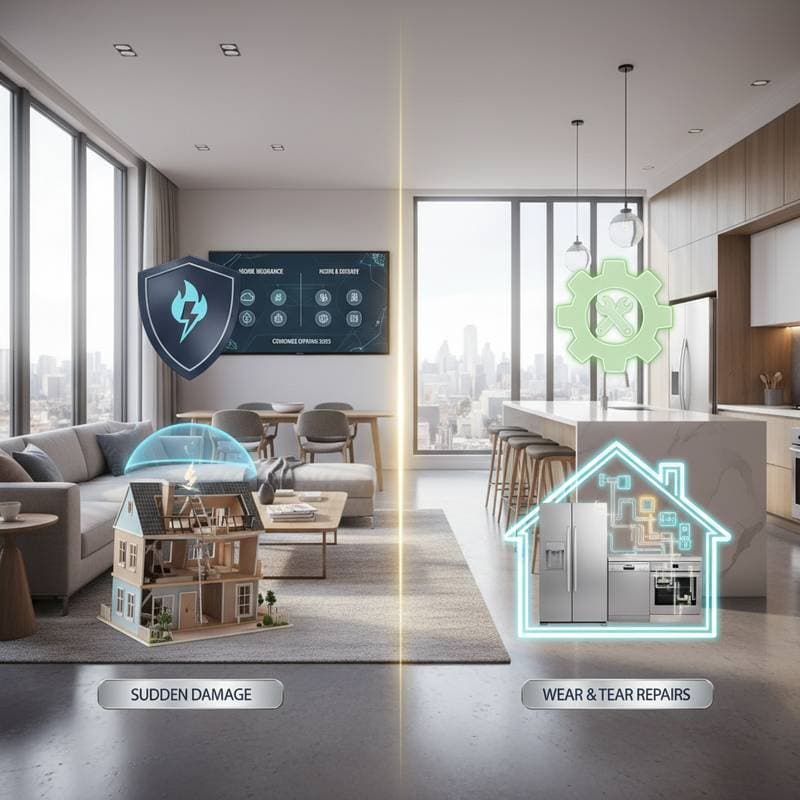
Distinguish the two by examining cause and consequence.
- Homeowners insurance addresses harm from external forces, including fires, storms, and vandalism.
- Home warranties manage breakdowns from internal wear due to regular usage.
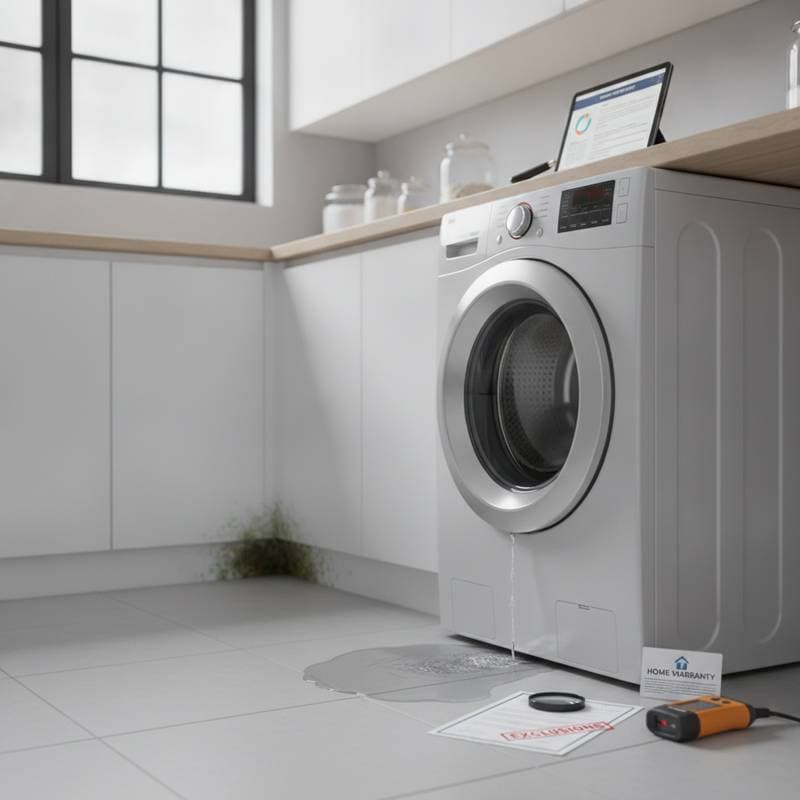
Consider a washing machine that stops because of an internal electrical fault; the warranty covers it. If a flood ruins the machine, insurance applies. These protections complement one another with minimal overlap.
Claim processes differ as well. Insurance demands comprehensive documentation and may involve on-site adjusters to confirm damages. Warranty claims proceed more straightforwardly but can face delays based on technician schedules. Insurance handles substantial reimbursements for property restoration, whereas warranties target targeted equipment fixes.
Benefits of Combining Both Protections
Most property owners gain from maintaining both insurance and a warranty. Lenders typically mandate insurance to shield against devastating losses. A warranty supplements this by addressing routine failures outside insurance scope.
For a recent buyer with aging heating systems and appliances, insurance protects the building from weather-related harm but not mechanical breakdowns. A warranty bridges this by funding furnace or refrigerator repairs if components fail.
In contrast, for properties with new installations under manufacturer guarantees, a separate warranty may prove unnecessary initially. As those guarantees lapse, adding a home warranty prevents surprise costs from emerging issues.
Addressing Frequent Misconceptions
A common error involves believing insurance covers all home contents comprehensively. In truth, mechanical failures receive exclusion. Insurance targets peril-based protection, not ongoing upkeep.
Similarly, some view home warranties as all-encompassing repair solutions. Limitations and exclusions exist, such as denials for pre-existing defects, faulty installations, or maintenance oversights. A water heater failure linked to sediment accumulation might result in claim rejection.
Providers often impose per-item caps, like 2,000 dollars for heating, ventilation, and air conditioning repairs within a contract period. Exceeding this threshold leaves the balance to the homeowner.
Steps to Select Providers and Plans
Compare at least three options for either insurance or warranties. Seek policies with straightforward terms and defined service expectations. Follow these steps:
- Review sample agreements to identify restrictions and exclusions.
- Examine response times for claims via sites like Trustpilot or the Better Business Bureau.
- Inquire about technician networks, whether in-house or contracted.
- Assess coverage levels, as premium plans encompass broader systems and appliances.
- Verify cancellation options and refund conditions.
For insurance, factor in regional hazards. Residents in flood zones should explore add-on policies. Those in areas with outdated wiring must ensure fire coverage adequacy.
Prioritizing Coverage Choices
Budget limitations may force selection between the two. Prioritize homeowners insurance, as it guards against losses that could render the home uninhabitable. Subsequently, incorporate a home warranty for handling common malfunctions.
View insurance as a safeguard against financial ruin and a warranty as support for operational reliability. Integrated, they form robust shielding from unforeseen outlays.
Illustrative Scenario
Suppose a water heater ruptures, flooding the basement. Insurance compensates for damage to flooring and walls. The warranty covers heater replacement if the failure stems from normal wear, provided no maintenance neglect contributed.
This dual approach minimizes personal expenses during compounded incidents. Discussions on Quora and Reddit highlight how such pairings have spared owners thousands in related costs.
Strategies for Ongoing Protection
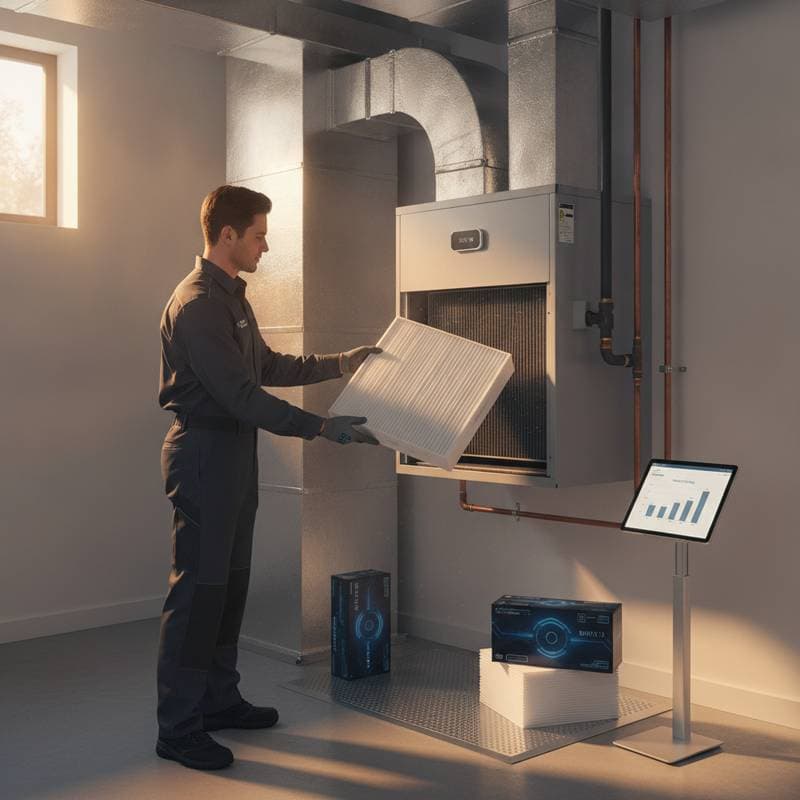
Responsible property care supports both insurance and warranty claims. Schedule routine maintenance, such as filter replacements and inspections, and retain records. Neglect can lead to denials.
Conduct yearly policy evaluations. As the home matures or circumstances evolve, modify coverage accordingly. Some owners discontinue warranties after years, opting for a dedicated repair reserve. Others retain them for reassurance with costly, aging equipment.