Understanding Creosote and Its Dangers
Creosote forms as a byproduct of burning wood in fireplaces. This sticky, tar-like substance accumulates inside the chimney liner over time, especially when fires burn at low temperatures or with unseasoned wood. The buildup starts as a thin film but thickens into a hard, flammable crust that poses serious risks.
A creosote-choked chimney restricts airflow and increases the chance of chimney fires. These blazes can spread rapidly, damaging the structure and endangering lives. In addition to fire hazards, creosote contributes to carbon monoxide buildup, which leads to poisoning if not vented properly.
Homeowners often overlook creosote until problems arise. Regular awareness and action prevent these issues from escalating into emergencies.
Inspecting for Creosote Buildup
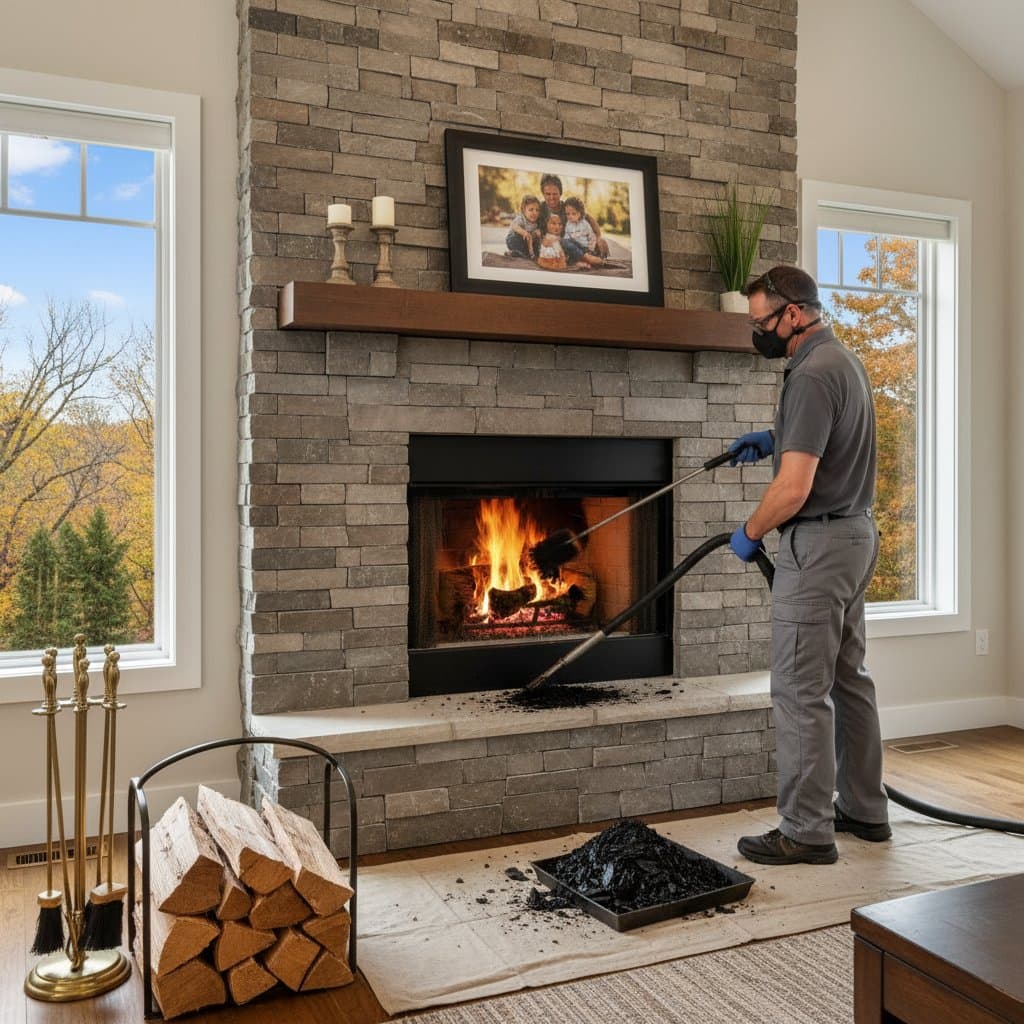
Begin maintenance with a thorough inspection. Hire a certified chimney sweep to examine the flue for creosote layers, cracks, or blockages. They use specialized tools like cameras to assess hard-to-reach areas without unnecessary disassembly.
Look for signs of buildup during your own preliminary check. Excessive smoke in the room, a strong smoky odor, or difficulty lighting fires indicate potential problems. If the chimney exterior shows soot stains or the fire burns poorly, schedule a professional visit immediately.
Inspections reveal not only creosote but also structural weaknesses. Addressing these early maintains safety and efficiency.
Cleaning to Remove Creosote
Professional cleaning removes creosote effectively. Sweeps brush the flue walls and vacuum debris to clear the path. This process typically occurs annually, or more often for heavy users.
Choose seasoned hardwoods like oak or hickory to minimize creosote production. Avoid softwoods or green logs, which release more tarry residues. Burn fires hot and bright to burn off potential deposits before they harden.
After cleaning, the chimney performs better. Cleaner flues draw smoke efficiently and reduce fuel consumption.
Improving Draft and Airflow
Adequate airflow ensures complete combustion and prevents smoke backup. Restrictions from negative pressure, debris, or incorrect flue dimensions hinder performance. These issues exacerbate creosote formation by cooling smoke prematurely.
Address common causes with simple adjustments. Slightly open a window near the fireplace when starting a fire to equalize pressure. Clear the chimney cap of leaves, nests, or soot to restore ventilation.
Always open the damper fully before igniting wood. If smoke persists, consult a professional to evaluate flue sizing. Persistent problems may require a draft inducer fan or a top-sealing damper to enhance pull and seal the system when not in use.
These steps optimize heating and lower creosote risks. Better airflow means hotter burns and less residue.
Establishing Safe Operation Practices
Safety protocols protect your home during use. Maintain a three-foot clearance around the fireplace from rugs, furniture, or curtains. Install a metal screen to contain embers and sparks.
Supervise fires at all times. Extinguish them completely before leaving the room or retiring for the night. Store ashes in a metal container outside, away from structures, and allow 24 hours for cooling before disposal.
For gas fireplaces, arrange yearly servicing. Technicians clean burners, inspect valves, and verify pilot lights to prevent gas leaks. Routine checks catch issues before they become hazardous.
Consistent habits build confidence in your system. They complement cleaning efforts to keep creosote at bay.
Planning Budget and Ongoing Maintenance
Investing in upkeep extends the lifespan of your fireplace and chimney. Annual professional services cost between 200 and 500 dollars, far less than emergency repairs from fire or water damage. Major fixes, such as relining the flue or rebuilding masonry, often exceed 3000 dollars.
Follow a structured schedule for reliability. Inspect and clean before the heating season starts. During peak use, remove ashes weekly and monitor for storm-related damage like cracks or leaks.
Reseal chimney mortar every three to five years to block moisture. Keep detailed records of all maintenance, including dates and invoices. These documents aid insurance processes and boost property value by demonstrating diligent care.
Strategic budgeting yields long-term savings. It ensures your system remains safe and efficient year after year.
Sustaining Chimney Health Year-Round
Regular maintenance transforms your fireplace into a reliable heat source. Clean chimneys burn more efficiently, cutting energy bills and minimizing environmental impact. Homeowners who prioritize prevention enjoy fewer disruptions and greater peace of mind.
Extend these principles beyond the heating season. Monitor the chimney roof during summer for debris accumulation. Early intervention prevents buildup and preserves the home's warmth for winters to come.
With proactive steps, creosote becomes a manageable concern rather than a hidden threat. Your family benefits from a secure, inviting fireside experience.