Does a Bathroom Remodel Increase Resale Value?
A bathroom remodel ranks among the most beneficial home improvements for daily comfort and market appeal. Many homeowners wonder if the expense of updating a bathroom yields returns upon selling the property. The answer is affirmative: a thoughtfully executed project elevates the home's attractiveness and worth. Success depends on integrating effective design, expense management, and insights from the local housing market.
Breaking Down Bathroom Remodel Expenses
Expenses for bathroom remodeling fluctuate based on project scale, material selections, and regional labor rates. A minor cosmetic update remains budget-friendly, whereas a comprehensive overhaul involving layout modifications escalates costs considerably.
Common expense categories encompass:
- Basic updates: Refreshing fixtures, applying fresh paint, swapping lighting, and laying new flooring.
- Moderate renovations: Incorporating contemporary tile, a sleek vanity, and enhanced plumbing or airflow systems.
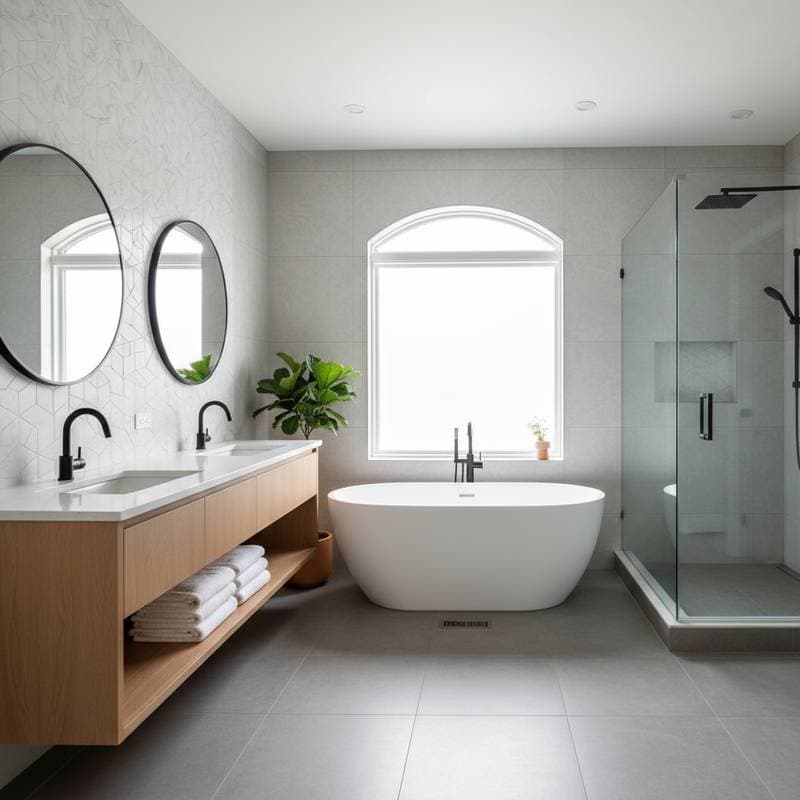
- Premium transformations: Enlarging the area, integrating high-quality elements such as natural stone surfaces, bespoke storage, or expansive shower enclosures.
Elements that shape overall pricing include:
- Bathroom dimensions. Greater size demands additional supplies and workmanship.
- Finish quality. Options for tile, hardware, and surfaces span a broad price spectrum.
- Infrastructure modifications. Properties with outdated systems frequently require plumbing or wiring overhauls.
- Workforce expenses. Skilled labor guarantees durability yet raises the total outlay.
- Geographic influences. Variations in hourly rates and supply availability occur across regions.
Homeowners who undertake portions of the task themselves might reduce labor fees, yet errors often result in escalated repairs down the line. Engaging certified experts upholds safety protocols and regulatory compliance, factors that influence buyer confidence during sales.
Weighing DIY Against Professional Services
Benefits of DIY Approaches
- Reduced initial outlays for those possessing tools and foundational abilities.
- Complete authority over aesthetic decisions and material choices.
- Adaptable timelines suited to part-time efforts over weekends or in phases.
Challenges of DIY Methods
- Potential for missteps impacting water systems, moisture barriers, or property worth.
- Restricted availability of specialized equipment and premium supplies.
- Prolonged durations that surpass initial projections due to inexperience.
Advantages of Professional Involvement
- Specialized knowledge in spatial planning, compliance, and execution.
- Streamlined oversight and uniform quality throughout the process.
- Eligibility for supplier reductions on essential components.
Disadvantages of Professional Services
- Elevated total expenditures.
- Diminished direct oversight of ongoing developments.
- Possible postponements amid peak contractor schedules.
For the majority of projects, enlisting experts for critical elements like piping, wiring, and surfacing delivers reliability and a polished outcome that resonates with prospective purchasers.
Essential Insights on Bathroom Remodeling
What Resale Value Does a Bathroom Remodel Provide?
A proficient renovation typically recovers 60 to 70 percent of invested funds. Prospective buyers prioritize contemporary, streamlined bathrooms that convey cleanliness and utility.
Which Enhancements Yield the Highest Returns?
Prioritize water-conserving hardware, contemporary illumination, and subdued surfacing in tiles or coatings. Such features broaden appeal to diverse audiences.
Is Bathroom Expansion Advisable?
Proceed only when spatial constraints and overall design permit without disrupting harmony. Added area holds merit, yet seamless circulation and proportionality take precedence.
Do Premium Materials Justify the Expense?
Opulent selections captivate viewers, provided they remain balanced. Strategic accents, including borderless enclosures or durable composite tops, generate allure without excessive spending.
Are Permits Necessary for Remodeling?
Regulatory approvals apply to alterations in utilities, power, or framework. Verify requirements through municipal authorities prior to commencement.
What Duration Should One Expect?
Modest refreshes span one to two weeks, whereas extensive overhauls extend based on intricacies and availability.
Which Errors Demand Caution?
Inadequate airflow, insufficient sealing against moisture, and overlooked illumination planning pose frequent risks. Bypassing expertise in vital systems invites long-term complications.
Remodel Before Listing or Preserve the Original?
Dated appearances or structural flaws warrant intervention to expedite sales and elevate bids. Targeted enhancements outperform inaction in most scenarios.
Selecting a Dependable Contractor
Solicit several proposals, examine past projects, and verify endorsements. Credible professionals furnish comprehensive projections and schedules.
Optimal Color Palettes for Buyer Appeal
Pale neutrals like crisp whites, subtle grays, and warm beiges expand perceived space and luminosity, suiting broad preferences.
Budget-Conscious Remodeling Strategies
Begin with accessory swaps, tap replacements, and fixture upgrades. Surface recoating and joint resealing revitalize aesthetics affordably.
Value of Sustainable Modifications
Affirmative: Low-flow devices and energy-efficient bulbs lower ongoing expenses and draw environmentally aware clientele.
Luxurious Touches on a Modest Budget
Incorporate warming racks, cascading heads, or interactive reflectors for enhanced indulgence at minimal additional cost.
Scenarios Where Remodeling Exceeds Value
Excessive upgrades mismatched to neighborhood norms curtail profitability. Align scope with prevailing local standards.
Step-by-Step Decision Framework
- Assess existing conditions. Pinpoint deficiencies such as dim areas or moisture intrusion.
- Establish feasible funding. Allocate reserves for unforeseen expenditures.
- Analyze regional market dynamics. Investigate buyer expectations through recent transactions.
- Define project schedule. For imminent sales, emphasize surface-level improvements.
- Seek expert guidance. Professional advice mitigates risks even in hybrid efforts.
Setting Up for Successful Remodeling
Investigate aesthetic trends and durable options that complement the residence's character. Develop a comprehensive blueprint covering arrangement, illumination, and organization. Procure supplies in advance to prevent interruptions, clear the vicinity of belongings, and shield neighboring zones. Sequence tasks methodically, addressing utilities prior to aesthetic completions.
Safeguarding Remodel Value Over Time
Post-completion upkeep sustains both visuals and equity. Conduct routine grout cleansing, ensure optimal airflow, and monitor for seepage. Consistent practices avert deterioration, preserving the refreshed bathroom's allure for extended periods. Upon marketing the property, this updated feature distinguishes the listing and supports premium pricing.