Prevent Costly Repairs: Spring Home Maintenance Checklist
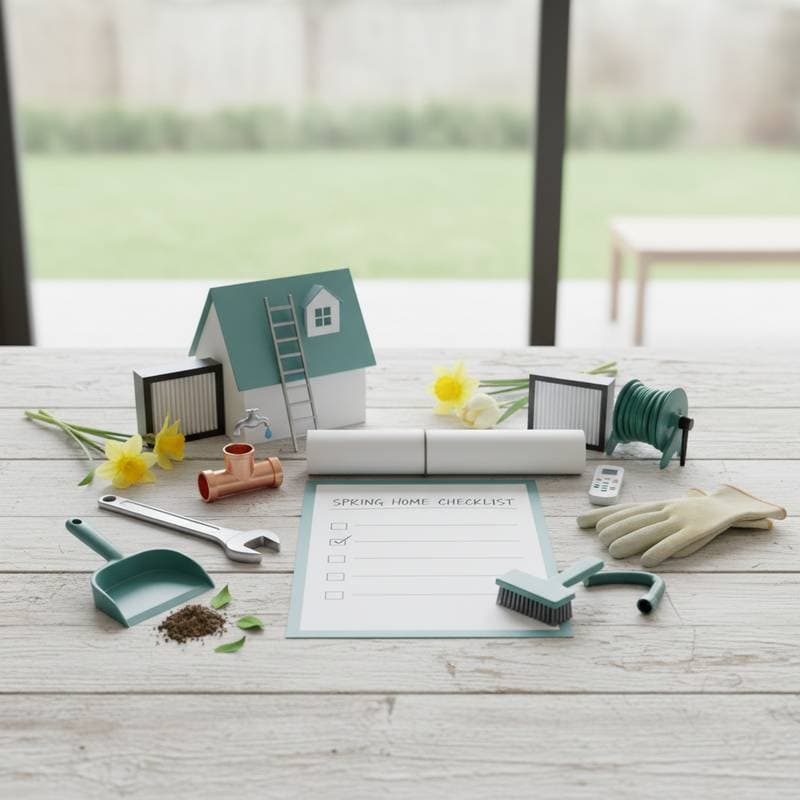
Winter weather often leaves hidden damage on homes. Spring provides an opportunity to inspect and repair these issues before they escalate. This guide outlines key maintenance tasks to safeguard your property, enhance energy efficiency, and prolong the lifespan of critical systems.
Inspect the Roof and Gutters
Begin with the roof, as it bears the brunt of seasonal changes. Examine shingles for missing or damaged pieces and check flashing around chimneys and vents for cracks. Clear gutters of accumulated debris and ensure downspouts route water at least five feet from the foundation.
Blocked gutters force water against exterior walls, risking foundation erosion and interior flooding. Schedule a professional roof inspection if you observe extensive wear or signs of leakage. Early intervention preserves the roof's integrity and avoids full replacements.
Examine Exterior Walls and Foundation
Review siding, brickwork, and stucco for fissures, flaking paint, or moisture stains. Seal minor cracks with exterior-grade caulk to block water and pest entry. For painted surfaces, prepare areas by scraping loose paint and apply fresh coats to inhibit wood rot.
Focus on the foundation by identifying hairline cracks. Mark their lengths with a pencil and monitor for expansion over subsequent weeks. Consult a structural engineer if cracks grow, as timely repairs avert major instability.
Service the HVAC System
HVAC units endure heavy use during heating seasons. Replace air filters with high-efficiency models and clean registers to optimize airflow. Clear vegetation and debris from around outdoor condensers to facilitate proper operation.
Arrange for a technician to verify refrigerant charges, clean evaporator coils, and calibrate controls. Such maintenance enhances system performance and cuts energy consumption. A tuned HVAC extends equipment life and maintains consistent indoor temperatures.
Prepare Plumbing and Water Systems
Pipes face stress from freezing temperatures. Inspect visible connections under sinks, at the water heater, and on exterior spigots for drips or rust. Gradually restore flow to outdoor lines and test for steady pressure.
Drain sediment from the water heater tank by attaching a hose and flushing until water runs clear. Install automatic shut-off valves or sensors in vulnerable spots like basements. These measures detect leaks swiftly and minimize water loss.
Clean Windows, Screens, and Doors
Thorough window cleaning reveals frame deterioration or seal failures. Use a solution of dish soap and warm water to wash glass and tracks on both interior and exterior sides. Inspect and replace deteriorated weatherstripping to maintain airtight barriers.
Test doors for tight closure and adjust hinges if needed. Install or repair door sweeps to eliminate drafts. These adjustments reduce energy demands during summer cooling.
Maintain the Lawn and Landscaping
Landscaping influences home protection against environmental threats. Prune tree branches extending over the roof or utility lines to prevent storm-related impacts. Remove leaf buildup from garden beds to deter insect infestations.
Aerate compacted soil and apply balanced fertilizer based on soil tests. Inspect and repair irrigation components, fixing leaks that squander resources. Redirect drainage to slope away from the foundation, ensuring at least six inches of drop over ten feet.
Clean and Seal Decks, Patios, and Driveways
Exposed surfaces suffer from freeze-thaw cycles. Sweep and pressure-wash decks to remove mildew, then tighten loose fasteners. Apply penetrating sealant to wood elements, following manufacturer guidelines for even coverage.
For concrete areas, fill cracks wider than a quarter-inch with epoxy-based filler. Seal the entire surface to resist water penetration and salt damage. Regular upkeep preserves appearance and structural soundness.
Test Safety Devices and Electrical Systems
Verify functionality of smoke and carbon monoxide alarms by pressing test buttons and replacing batteries annually. Check GFCI outlets in wet areas by simulating faults. Examine cords for insulation wear and avoid overloading circuits.
Address persistent breaker trips or dimming lights through professional evaluation. Electricians identify wiring faults that pose fire risks. Proactive checks ensure family safety year-round.
Refresh Interior Spaces
Indoor areas accumulate winter grime. Dust fan blades and vacuum duct openings to circulate clean air. Shampoo carpets and scrutinize for damp patches indicating hidden leaks.
Renew caulk around fixtures to block humidity escape. Refresh window treatments by laundering fabrics. These routines curb allergens and sustain a healthy environment.
Examine the Attic and Basement
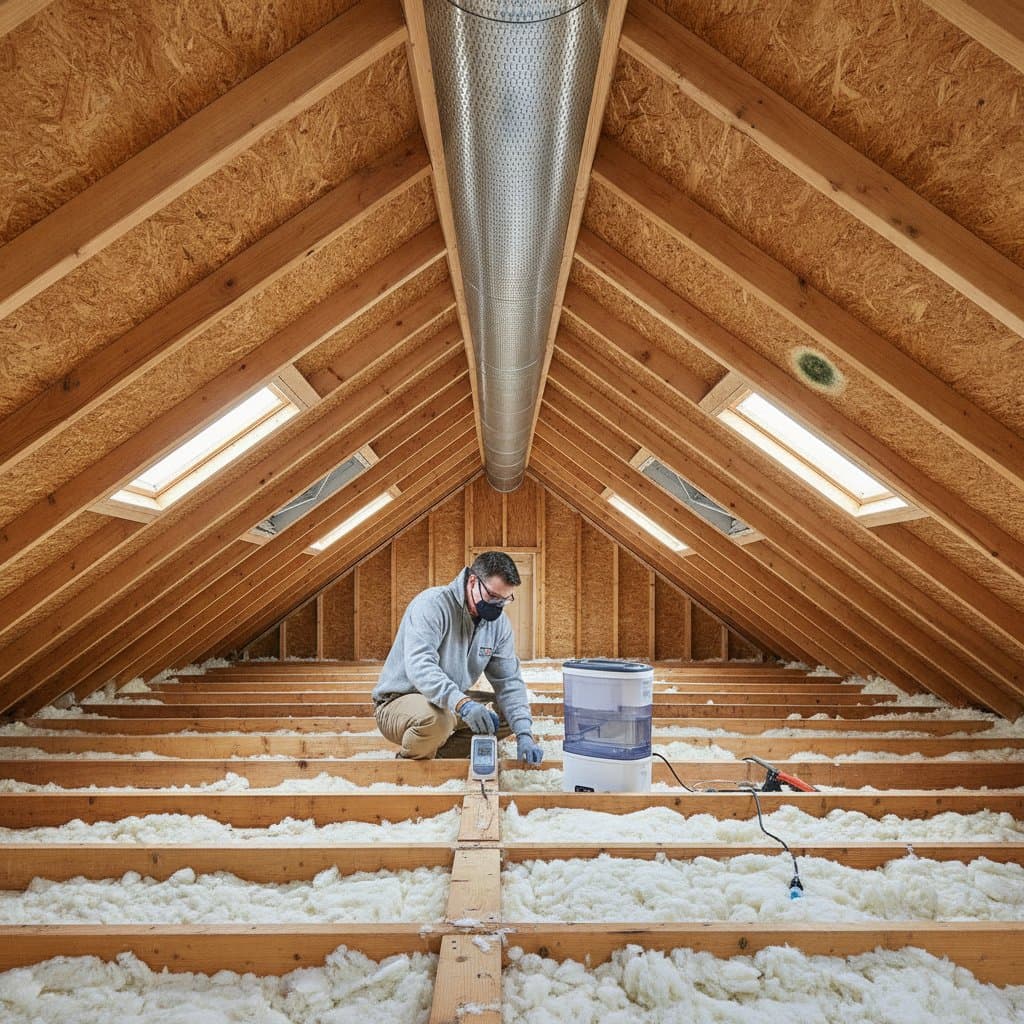
These spaces reveal systemic vulnerabilities. In the attic, probe insulation for wetness and seal penetrations with foam to curb air leaks. Ensure vents remain unobstructed for ventilation.
In the basement, probe for efflorescence on walls and operate dehumidifiers to control moisture below 50 percent. Investigate any water marks to pinpoint and resolve entry points. Prompt responses prevent mold proliferation and safeguard possessions.
Evaluate Appliances and Home Systems
Appliances strain during transitions. Clean refrigerator condenser coils with a brush to boost cooling efficiency. Disconnect and vacuum dryer exhaust ducts to eliminate fire-prone lint.
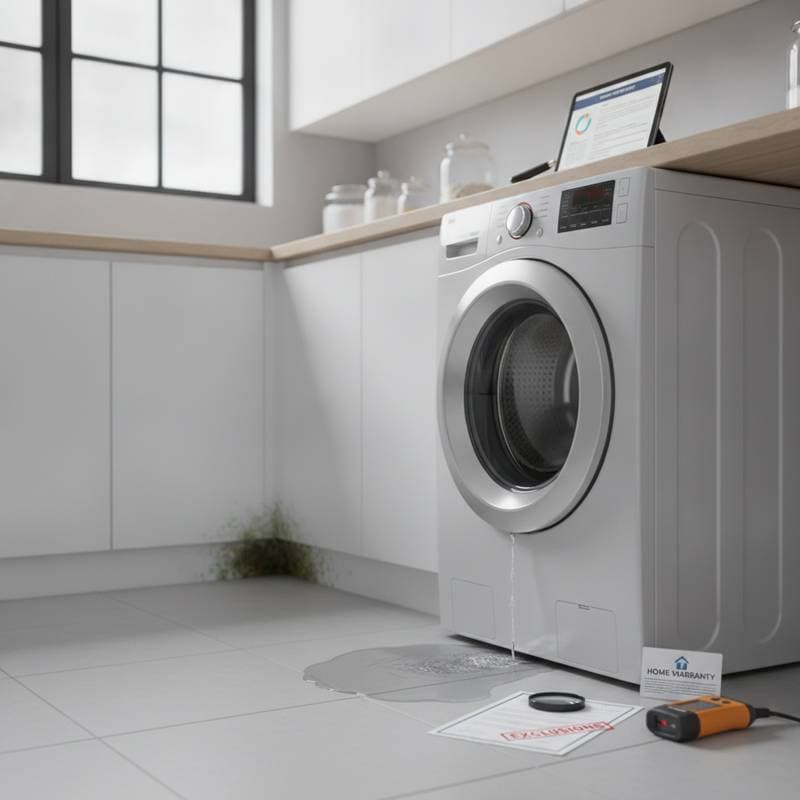
Run dishwashers through self-clean cycles and inspect for gasket integrity. For washers, access and rinse filters quarterly. Routine care averts breakdowns and optimizes performance.
Organize Maintenance Records
Document all activities to track patterns and compliance. Maintain a dedicated file for invoices, manuals, and schedules. Log dates and descriptions for each inspection or repair.
Utilize digital tools for reminders on recurring tasks. Organized records facilitate insurance processes and demonstrate diligent ownership. This practice supports informed decisions on future needs.
Establish a Sustainable Maintenance Plan
Consistent care fortifies your home against unforeseen expenses. Integrate these tasks into an annual calendar, prioritizing professional input for complex issues. Balance self-performed work with expert services to maximize reliability.
Embrace spring as a renewal phase for your residence. Implement this plan to foster durability, efficiency, and peace of mind throughout the seasons.