When to Inspect Your Chimney for Fall Safety
A fireplace brings warmth and comfort to a home during cooler months. However, a neglected chimney poses significant safety risks. Homeowners must understand the proper timing and methods for chimney inspections to ensure safety, efficiency, and readiness for use.
Why Chimney Inspections Matter
The chimney serves as the exhaust system for a fireplace, channeling smoke and gases outside the home. Over time, soot, creosote, and debris accumulate in the flue, restricting airflow and potentially igniting under heat. These buildups can also trap dangerous gases or signal structural weaknesses that lead to costly repairs.
The Chimney Safety Institute of America notes that even one-eighth inch of creosote creates a fire hazard, as it can ignite and propagate flames rapidly. Inspections address cleanliness and overall system integrity, preventing emergencies and extending the chimney's lifespan.
The Ideal Chimney Inspection Schedule
Experts advise a comprehensive chimney inspection annually to detect issues from the prior heating season. Usage patterns and regional weather further determine frequency needs.
Minimum and Ideal Intervals
- Minimum inspection frequency: Once every twelve months
- Ideal for frequent fireplace users: Twice yearly, before and after the heating season
- After extreme weather: Inspect immediately after events like heavy winds, hail, or earthquakes
For daily wood burning in winter, arrange the primary inspection in early fall and a follow-up in spring. Infrequent users suffice with one annual check but should scan for visible issues before initial fires.
What a Chimney Inspection Includes
Inspections extend beyond surface views; certified professionals employ tools to assess visible and concealed areas. The National Fire Protection Association outlines three inspection levels.
Level 1: Routine Maintenance Check
Suitable for well-maintained chimneys without apparent issues, this level involves:
- Review of accessible interior and exterior chimney sections
- Assessment of soot and creosote deposits
- Examination of the damper, smoke chamber, and firebox
- Confirmation of clear flue passages
Level 2: Real Estate or Modification Inspection
Recommended after heating system alterations, flue relining, or prior to home sales, this includes Level 1 procedures plus video camera evaluation of the flue for fractures, voids, or concealed deterioration. It applies also after chimney fires or intense weather.
Level 3: Structural Investigation
Reserved for suspected severe damage, this requires disassembly of walls or chimney elements for internal review. Though uncommon for standard care, it proves essential following fires or collapses.
Seasonal Timing for Fall Safety
Fall represents the critical period for inspections, as summer inactivity allows nests, moisture, and decay to develop. Pre-fire checks avert gas entrapment and ignition dangers.
Early Fall: The Best Window
Book inspections in early fall, prior to consistent fireplace reliance. This allows time for necessary cleanings or fixes. In regions with abrupt cooling, opt for late summer scheduling.
What to Look for Before Lighting the First Fire
Conduct a preliminary visual assessment before professional involvement. Identify:
- White stains on bricks signaling moisture penetration
- Deteriorated mortar or unstable bricks
- Corrosion on damper or firebox parts
- Creosote particles or dark residue near the flue
- Absent or impaired chimney cap
Refrain from fireplace use if these indicators appear until full evaluation occurs.
Cost and Professional Services
Inspections offer cost-effective prevention relative to fire or failure remediation expenses.
| Inspection Level | Typical Cost Range | When to Use |
|---|---|---|
| Level 1 | $75 to $150 | Annual maintenance |
| Level 2 | $150 to $350 | After major changes or before home sale |
| Level 3 | $500 and up | After fires or structural damage |
Homeowners can manage basic exterior views, yet internal probes demand expert equipment and precautions. CSIA- or NFPA-certified sweeps adhere to safety protocols. For elevated or sloped roofs, professional engagement prevents falls, a leading maintenance injury.
Common Mistakes to Avoid
Neglecting inspections invites hazards. Address these prevalent errors proactively.
1. Assuming a Clean Chimney Equals Safety
Surface cleanliness overlooks fissures or eroded mortar that expose framing to heat. Integrate structural reviews into all routines.
2. Relying on Chemical Cleaning Logs Alone
These products dislodge minor soot but fail to substitute for inspections or brushing. Employ them solely as interim aids.
3. Dismissing Smoke Odors or Poor Drafts
Room smoke entry suggests obstructions or liner damage. Cease fire use pending diagnosis.
4. Neglecting the Chimney Cap
Without a functional cap, precipitation, refuse, and wildlife invade. Cap renewal prolongs chimney durability.
5. Overlooking the Chimney Crown
Cracks in the crown permit water infiltration, leading to freeze-thaw erosion. Apply resilient sealants for protection.
Accessibility and Safety Considerations
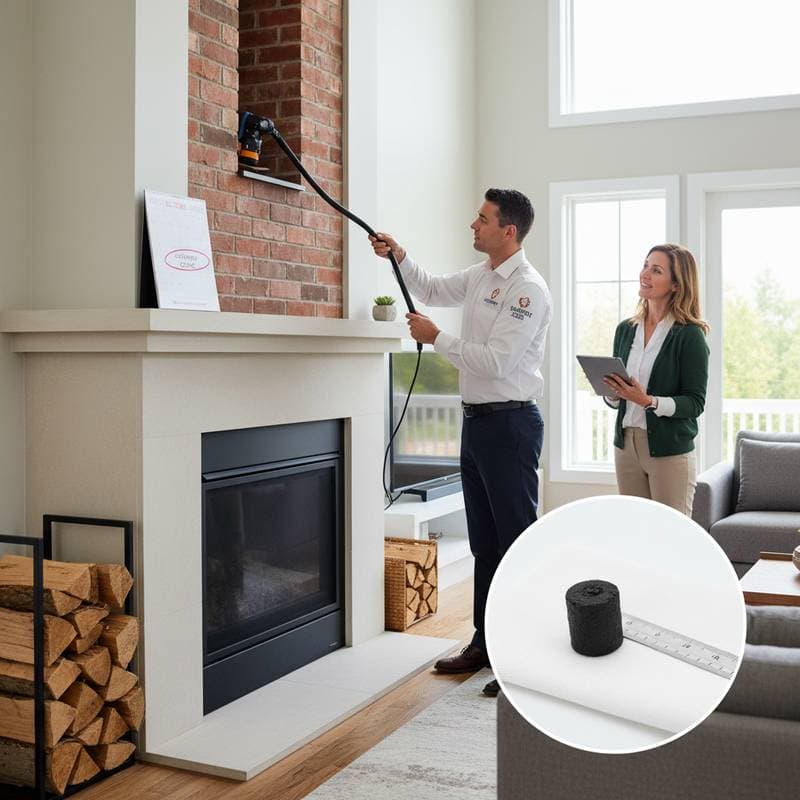
Individuals with mobility limitations or challenging roof access benefit from professional services. Modern firms utilize cameras for ground-level flue examinations, avoiding roof climbs. Those with breathing issues should request HEPA vacuums to curb dust during sweeps.
Homes with multiple fireplaces or shared flues necessitate individual evaluations per section, as isolated blockages may impact specific units.
Tools for a Basic Home Check
Simple implements enable initial homeowner assessments:
- Flashlight or headlamp
- Compact mirror for obscured views
- Sturdy exterior ladder
- Protective gloves and mask
- Portable vacuum for ash removal
Preventing Future Problems
Adopt these practices to minimize issues:
- Use seasoned hardwoods like oak or maple for reduced creosote
- Maintain small, intense fires for thorough burning
- Fully open the damper prior to ignition
- Arrange sweeps after each cord of wood
- Place carbon monoxide alarms adjacent to the fireplace
Scheduling Your Inspection
Consistent maintenance ensures a reliable chimney. Perform annual professional reviews and pre-use visual scans to safeguard against concealed threats. Act now to book your fall inspection, clear the flue, and secure the cap for a worry-free season.